
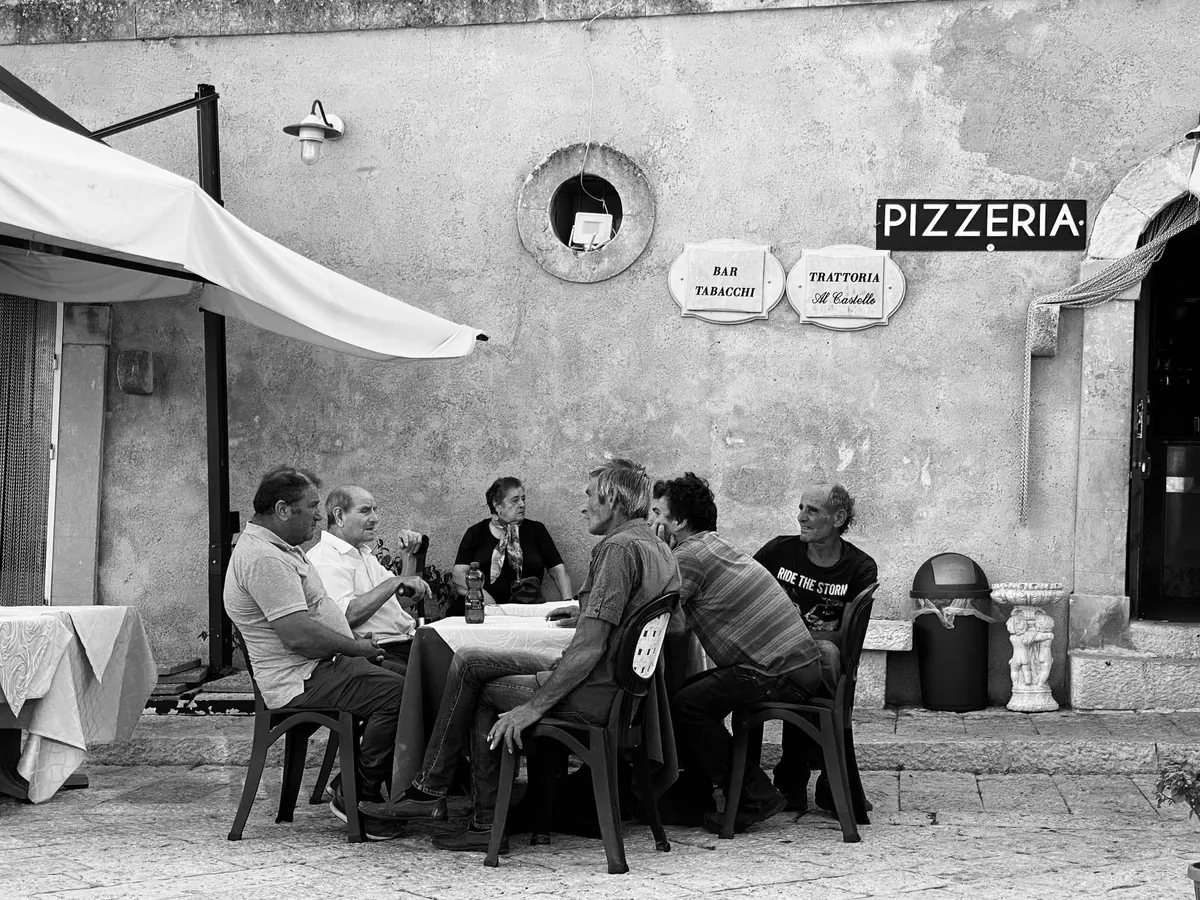
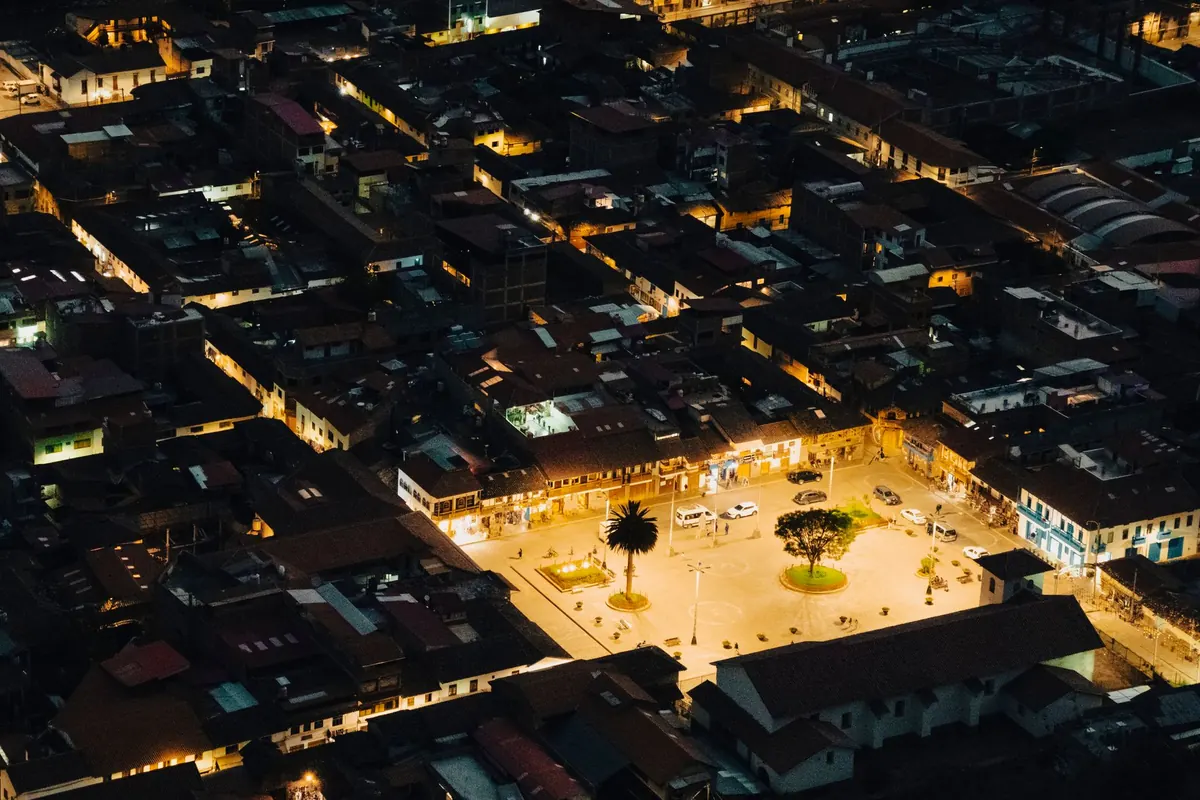

A village piazza fills with long tables, someone tunes an accordion behind the church, and the smell of frying dough drifts down the one street that matters. This is the heart of an Italian summer — or an autumn chestnut sagra, or the week after Easter — and it is not a performance staged for visitors. A festival, whether it is a city saint's day or a hamlet celebrating its own salami, belongs to the people who live there. Their grandparents ran the same food stall.
That is the useful thing to understand before you go: you are a guest in someone's living room, and the living room happens to be a piazza. Italians are famously generous to guests who arrive curious and courteous. The rest is logistics. Here is what to think about before you park the car.
Dress for the Occasion, Not for the Photograph
Most festivals are casual, but casual in an Italian key. Shorts and flip-flops read as beachwear once you are inland, and you will feel it in a hill town where everyone else is in cotton and leather. Aim for something simple and slightly neat: linen trousers, a cotton dress, a clean shirt, closed shoes that can handle cobblestones and a steep climb to the car.
The one rule that genuinely matters involves the church. Nearly every festival has a religious core — a Mass, a blessing, a statue carried out into the square — and shoulders and knees should be covered when you step inside. A light scarf in your bag solves the problem in seconds. If a sign at the door shows bare shoulders crossed out, take it at face value rather than testing it.
Two more practical notes. Bring a layer for the evening, because a warm afternoon turns cool once the sun drops behind the hill. And leave the heels at home; festivals are held on stone, gravel and grass, often all three.
Know the Rhythm of the Day
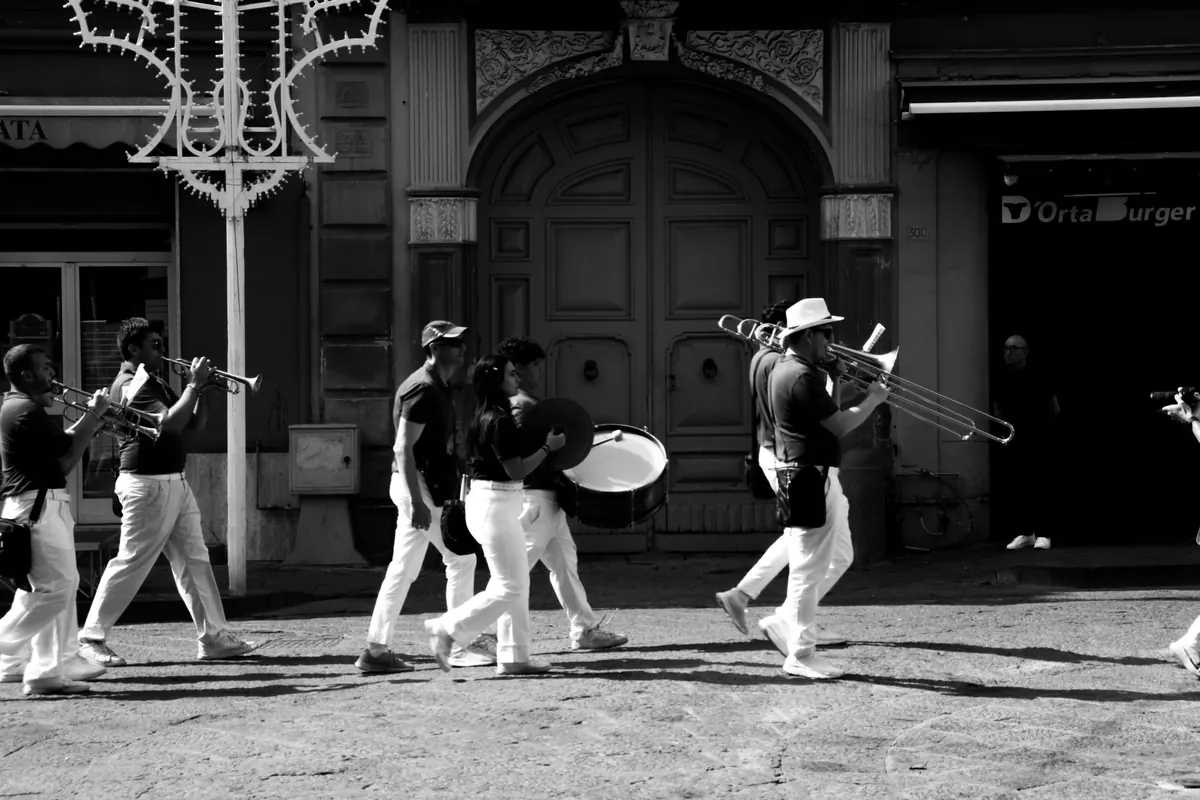
Festival timetables run on a logic that is worth learning. The religious part comes first. The procession leaves after Mass, the band follows, and only once the statue is back in the church do the food stalls hit full speed. Arrive too early and you will find half-empty tables and volunteers still unfolding chairs; arrive too late and the star dish is gone.
Meal service is usually a defined window rather than all evening. Dinner commonly starts around 7:30 or 8pm and the kitchen may stop taking orders well before midnight, so a "we'll eat later" plan often ends in a bar with a packet of crisps. Ask a volunteer when the kitchen closes — they will tell you honestly, and they usually appreciate being asked.
A few timing principles hold almost everywhere:
- Check the local notice board or parish leaflet. Printed programmes give procession and Mass times that rarely appear online.
- Park outside the centre and walk in. Village streets are narrow and closures appear without warning.
- Plan to stay through the evening. The best hours are after the day-trippers leave and the locals settle in.
- Leave quietly. If you drive off at midnight, the houses around the piazza are people's homes.
Moving Through Crowds and Processions
When the procession comes, step to the side and stay there. Do not cut across the front of the statue to reach a bar, do not walk alongside it as if you are part of the group, and do not stand in the road to film. Locals often carry the float on their shoulders or hold a rope; that rope is not a handrail for spectators. If someone beckons you to join in, join — but wait for the invitation.
For the rest of the evening, two words will carry you a long way: permesso, said when you need to get past someone, and scusi, for everything else. Tables are usually communal, so sitting down beside strangers is normal; squeeze in where there is space rather than claiming territory with your bags. Queue for food in the direction the locals are facing, even if it looks like a loose crowd, and never reach over the counter to point at what you want.
At the Table: Food and Drink Customs
A sagra is not a restaurant. It exists to serve one or two specialities done properly — a wild boar ragù, fried courgette flowers, a particular local cheese — and the menu may be exactly that and nothing more. Do not ask for substitutions or for a dish you saw at a different festival. Ask instead what the volunteers recommend, and take the answer.
Wine and water are frequently cheaper than soft drinks, and often excellent. Expect to pay in cash or to buy tokens from a separate desk before queueing. The coperto, a small per-person cover charge, is normal rather than a trick, and tipping is not expected — though rounding up or dropping coins in the donation jar for the organising committee is always welcome.
- Take the offered glass. A refusal is fine, but a flat no feels colder than "grazie, guido" if you are driving.
- Eat what you are given. Leaving most of a plate reads as an opinion on the cooking.
- Say "buon appetito" when you sit down at a shared table, even to strangers.
- Carry small notes and coins. Change runs short by 9pm.
- Ask about ingredients if you have allergies or eat a restricted diet; do not assume a meat-free or gluten-free option exists.
- Clear your tray. Many festivals run on volunteer labour and rely on people tidying after themselves.
Church, Cameras and Small Respects
Photography is generally fine outdoors, and locals photograph the procession too. Inside the church it is a different matter: no flash, no wandering during the service, no lens aimed at the altar from the back row. Men take off hats. Phones stay in pockets. If you want a picture of a person, especially a child, ask first with a gesture and a smile.
Beyond that, the courtesies are ordinary ones. Buy something from the stalls rather than treating them as a museum. Do not let children climb on the float or play with the band's equipment. If you are handed a printed programme or a sprig of something blessed, accept it and say thank you. And if a nonna insists you try her cake, the correct answer is yes.
A Short Checklist for the Day Itself
Keep this on your phone and glance at it before you leave the hotel.
- Cash in small denominations, plus a card as backup
- Scarf or light layer for church and evening
- Comfortable closed shoes
- Printed or photographed festival programme, if one exists
- Parking spot chosen outside the historic centre
- Dinner plan that matches the kitchen's hours, not yours
- Enough patience for a slow queue and a long table
Do those things and the festival will do the rest. You will eat well, you will probably be adopted by a table of strangers, and you will leave with the one thing visitors rarely arrive with: the sense that you were welcome rather than merely tolerated.
Photo: Domenico Guarino / Pexels
Related posts
More stories you’ll love reading