
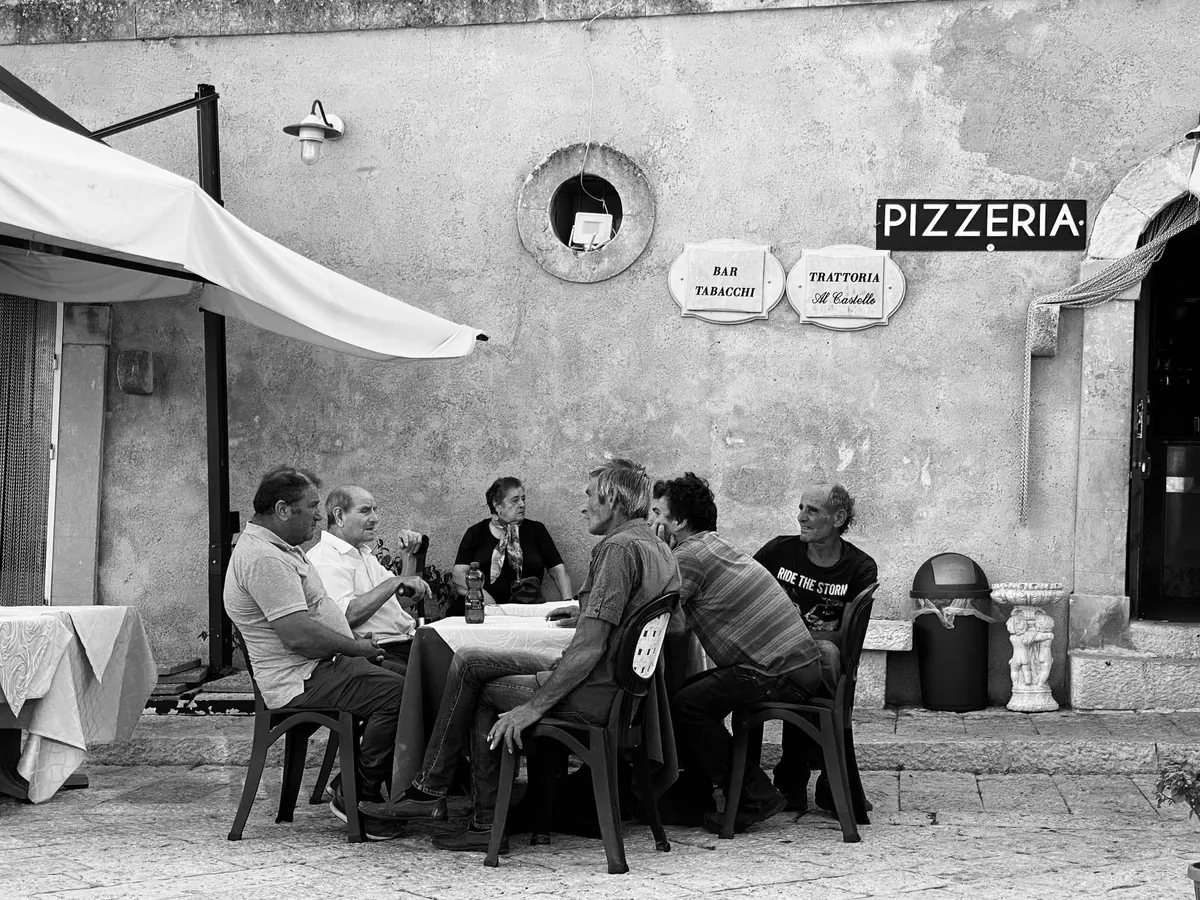
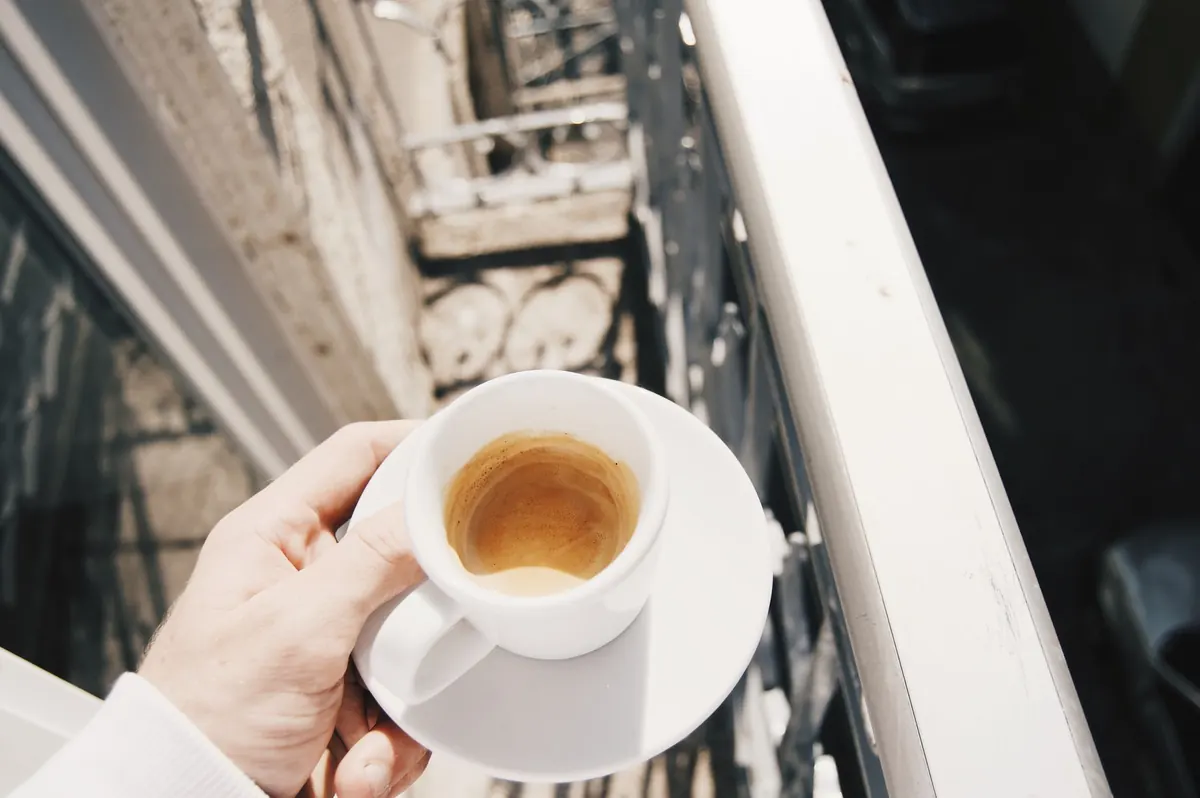
Ordering a cappuccino in Italy takes about six words. Getting it with a smile takes one more: buongiorno. That single word, offered before anything else, does more for the encounter than a flawless accent ever will. Italians notice the order of things — greeting first, request second, thanks third — and a traveler who respects that sequence is treated differently from one who walks up and starts pointing.
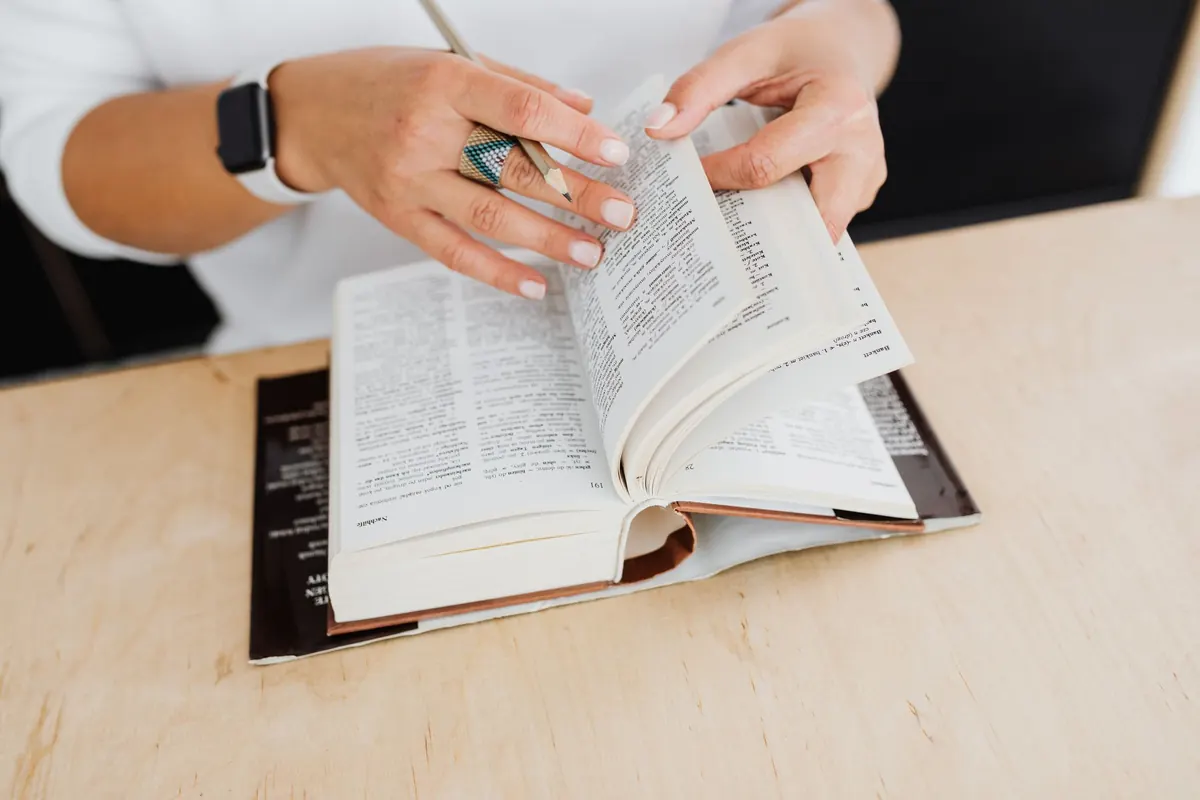
What follows is a working checklist, not a phrasebook. Each expression is one you will actually use, in the context where you will use it, with a note on the small variations that make it sound natural rather than recited. Learn five of them properly and you can move through a day in Italy without a single awkward silence.
Start With the Greeting, Always
The greeting is not optional decoration. Step into a small alimentari, a pharmacy or a train compartment and the first sound out of your mouth should be buongiorno, said to the room, not just to the person behind the counter. Buonasera takes over from late afternoon onward; there is no hard rule about the exact hour, so follow what the shopkeeper says first. Salve is a useful neutral option — slightly formal, slightly cool, never wrong.
Reserve ciao for people you actually know, or for peers in casual settings. Saying it to a hotel receptionist or a police officer lands oddly, like calling a bank manager "mate". When you leave, grazie, arrivederci covers almost everything; arrivederla is the more formal version, and you will hear it from staff rather than need it yourself.
The Five Words That Do Most of the Work
Certain expressions recur so often that they stop feeling like vocabulary and start feeling like breathing.
- Per favore — please. Attach it to requests, not to greetings.
- Grazie — thank you. Grazie mille if someone has gone out of their way.
- Prego — the all-purpose reply. It means "you're welcome", "go ahead", "after you", and "please, help yourself". When in doubt, a small nod and prego is correct.
- Scusi — excuse me, formal. Use it to get attention, to apologize for a bump, to open a question to a stranger.
- Mi dispiace — I'm sorry. Warmer and more genuine than a reflexive apology.
Note that scusi and mi scusi are both formal; scusa is for friends and children. If someone thanks you and you want to sound less stiff than prego, try figurati with a peer or si figuri with an older person.
Shops and Bars: The Short Script
Most Italian counter transactions follow a predictable four-beat rhythm. Learn it once and it carries you through a bakery in Bologna and a hardware shop in Palermo.
- Greet: Buongiorno.
- Ask with the conditional: Vorrei… (I would like). It is markedly more polite than voglio. Vorrei un etto di prosciutto, per favore — a hundred grams of prosciutto, please.
- Respond to the follow-up. You will hear Basta così? or È tutto? Answer basta così (that's all) or add another item.
- Close: Grazie, arrivederci.
For payment, Quant'è? or the more formal Quanto costa? both work; Posso pagare con la carta? asks whether a card is accepted, which is worth checking in smaller shops before you commit. At a bar, un caffè, per favore ordered al banco is cheaper than at a table in most cities, and the phrase al tavolo tells them you want to sit. Take the receipt when it is offered — it is normal to be asked whether you need it.
At the Table
Restaurant Italian is gentler than menu Italian. Open with Un tavolo per due, per favore, and if you have not booked, Avete posto? does the job. When the server arrives, Che cosa mi consiglia? — what do you recommend — is both useful and flattering, and it usually produces a better meal than the menu would have.
Requests soften with the conditional: Vorrei…, Potrei avere…? (could I have). If you need to flag a food allergy, keep it plain and short: Ho un'allergia a… followed by the ingredient, and repeat it clearly rather than elaborating. For anything serious, confirm with the staff directly before ordering rather than relying on a phrase alone.
Useful at the end: Il conto, per favore or Possiamo pagare? If you want to split, ask Conto separato?; if the table wants to divide evenly, the phrase is facciamo alla romana. Tipping is not obligatory — rounding up or leaving a few euros for good service is common and always appreciated, never expected.
Trains, Buses and the Queue
Ticket windows reward brevity. Un biglietto per Firenze, per favore, then solo andata (one way) or andata e ritorno (return). Follow-ups you will want: A che ora parte? (what time does it leave), Da quale binario? (which platform), Devo cambiare? (do I need to change).
On regional trains, ask Devo convalidare il biglietto? before boarding — many tickets must be stamped in the machine on the platform, and an unstamped one can be treated as invalid. On board, È libero questo posto? settles the seat question, and Scusi, mi fa passare? gets you down a crowded aisle. A single permesso, said while squeezing past someone, is the standard small apology.
The most valuable phrase in Italy may be the one nobody teaches: Chi è l'ultimo? — who is last? Ask it on arrival at a butcher, a post office or a market stall, and you have joined the queue without offending anyone, because there is often no visible line at all.
Tone, Formality and the Small Things
Italian politeness lives as much in register as in vocabulary. Strangers, shopkeepers, officials and anyone visibly older get the formal lei: Come sta? rather than Come stai?, Scusi rather than Scusa. Switch only if the other person does first. A handshake is the safe greeting with strangers; cheek kisses are for people who already know each other.
Pronunciation matters less than clarity. Keep vowels open and pure — grazie is roughly GRAH-tsee-eh, per favore is per fa-VO-reh — and resist swallowing the final syllable, which is where much of the meaning sits. Speak slightly slower than feels natural. And if you get lost mid-sentence, Parlo poco italiano followed by Può ripetere più lentamente, per favore? is far better received than a long apology for not speaking the language.
Your Day-One Checklist
Pick three phrases before you leave the hotel and use them within the first hour: a greeting on entering a bar, per favore with your order, and grazie, arrivederci on the way out. Add scusi when you need attention and chi è l'ultimo? the first time you meet a crowd with no line.
Say them out loud once or twice before you walk in — the mouth needs the rehearsal more than the brain does. Nobody expects fluency; they expect the courtesy of trying, offered in the right order. Get the greeting right and the rest of the conversation usually arranges itself.
Photo: Leonardo / Pexels
Related posts
More stories you’ll love reading